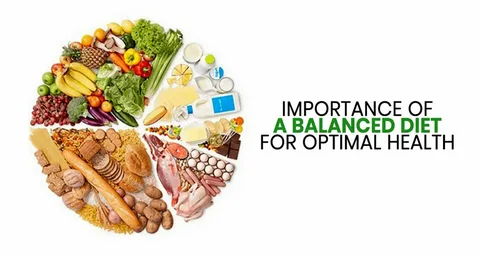
- IntroductionNutrition is a fundamental component of human health and is essential for the survival, growth, development, and well-being of every individual. The human body requires a continuous supply of nutrients to produce energy, build and repair tissues, regulate physiological processes, support the immune system, and maintain the normal functioning of organs. These nutrients are obtained primarily from the foods and beverages consumed on a daily basis.The quality of a person’s diet can have a significant influence on both immediate and long-term health. Adequate and balanced nutrition supports healthy growth, physical strength, cognitive function, immunity, and productivity. In contrast, inadequate or poor-quality nutrition may contribute to nutrient deficiencies, impaired growth, weakened immunity, unhealthy body weight, and an increased risk of certain chronic diseases.Nutrition is particularly important because health problems related to diet can affect people at every stage of life. Infants and children require adequate nutrients for physical and cognitive development. Adolescents require additional nutrients during periods of rapid growth. Adults need appropriate nutrition to maintain energy, productivity, and physical health, while older adults may require special attention to nutrient intake because nutritional needs can change with age.A healthy diet is therefore more than simply satisfying hunger. It is a deliberate combination of foods that provides the body with the nutrients it needs in appropriate amounts. Understanding the relationship between nutrition and health is essential for individuals, families, healthcare professionals, educational institutions, and society as a whole.Meaning of NutritionNutrition can be defined as the process through which the body obtains, digests, absorbs, transports, and uses nutrients from food. Nutrients are substances that the body requires to carry out essential functions.The major nutrients include carbohydrates, proteins, fats, vitamins, minerals, and water. Dietary fibre is also an important component of a healthy diet.These nutrients perform different functions. Some provide energy, while others are primarily involved in growth, tissue repair, immune function, metabolism, and regulation of body processes.Because no single food contains every nutrient in the amounts required by the body, eating a variety of foods is necessary to achieve adequate nutrition.The Concept of a Balanced DietA balanced diet is a dietary pattern that provides the body with appropriate amounts and proportions of essential nutrients. It includes a variety of foods from different food groups and provides adequate energy without excessive intake.A balanced diet commonly includes:
- Fruits and vegetables
- Whole grains and other nutritious carbohydrate sources
- Legumes such as beans and lentils
- Fish, eggs, poultry, meat, nuts, and seeds
- Milk, yoghurt, or suitable alternatives
- Healthy sources of dietary fat
- Adequate water
A balanced diet also involves limiting excessive consumption of foods and beverages that are high in added sugars, sodium, saturated fats, and industrial trans fats.The specific composition of a healthy diet can vary between individuals because nutritional requirements depend on factors such as age, sex, physical activity, pregnancy, health status, culture, and food availability.Macronutrients and Their ImportanceMacronutrients are nutrients required by the body in relatively large amounts. They include carbohydrates, proteins, and fats.CarbohydratesCarbohydrates are an important source of energy for the body. They provide fuel for physical activity and support normal brain function.Carbohydrates can be found in foods such as rice, maize, yam, cassava, potatoes, bread, oats, millet, sorghum, fruits, and vegetables.The nutritional quality of carbohydrates is important. Whole grains, fruits, vegetables, and legumes can provide carbohydrates together with fibre, vitamins, minerals, and other beneficial compounds.ProteinsProteins are essential for the growth, maintenance, and repair of body tissues. They are composed of amino acids, which are used to build muscles, enzymes, hormones, and other structures.Protein sources include fish, eggs, meat, poultry, milk, yoghurt, beans, lentils, peas, soybeans, nuts, and seeds.Adequate protein is particularly important during periods of rapid growth and development and during recovery from illness or injury.Dietary FatsDietary fats perform several important functions. They provide energy, help form cell membranes, and assist in the absorption of fat-soluble vitamins.Sources of unsaturated fats include fish, nuts, seeds, avocados, and some plant oils.However, not all fats have the same effects on health. Excessive intake of saturated fats can negatively affect blood cholesterol levels, while industrial trans fats are particularly harmful to cardiovascular health.Therefore, the type and amount of fat consumed are important considerations when planning a healthy diet.Micronutrients and Their ImportanceMicronutrients consist primarily of vitamins and minerals. Although they are needed in smaller quantities than macronutrients, they are essential for normal body functions.VitaminsVitamins perform a wide range of functions in the body.Vitamin A is important for normal vision and immune function. Vitamin C contributes to normal immune function and helps the body absorb iron from plant-based foods. B vitamins participate in energy metabolism and other physiological processes.Fruits and vegetables are important sources of many vitamins, while other vitamins are found in foods such as eggs, fish, dairy products, meat, and fortified foods.MineralsMinerals are also essential for maintaining health.Iron is required for the production of haemoglobin, which transports oxygen in the blood. Calcium contributes to healthy bones and teeth. Zinc supports immune function and wound healing. Iodine is necessary for the production of thyroid hormones.Minerals can be obtained from a wide range of foods, including vegetables, fruits, legumes, fish, meat, eggs, dairy products, nuts, and seeds.Nutrition and Physical GrowthAdequate nutrition is particularly important during childhood and adolescence because these periods involve rapid physical growth and development.Children require sufficient energy, protein, vitamins, minerals, and other nutrients to support the development of bones, muscles, organs, and the brain.Inadequate nutrition can contribute to impaired growth and nutrient deficiencies. Poor nutrition during childhood can also affect a child’s ability to participate fully in school and physical activities.Providing children with varied and nutritious meals is therefore an important responsibility for parents, caregivers, schools, and communities.Nutrition and Brain FunctionThe brain requires a constant supply of energy and nutrients to perform its normal functions.Adequate nutrition can support concentration, memory, learning, and normal cognitive function. This is particularly relevant for students and individuals whose daily activities require sustained mental attention.Nutrients obtained from foods such as fish, vegetables, fruits, whole grains, legumes, nuts, and seeds contribute to an overall nutritious dietary pattern.However, nutrition is only one factor affecting cognitive performance and mental well-being. Sleep, stress, physical activity, social conditions, and other factors also play important roles.Nutrition and the Immune SystemThe immune system protects the body against infections and other harmful substances. Adequate nutrition supports normal immune function.A deficiency of certain nutrients can interfere with normal immune responses. Nutrients such as vitamins A, C, D, and E, as well as minerals such as zinc and selenium, are involved in immune processes.Eating a varied diet provides the body with a range of nutrients required for normal immune function.However, no individual food can make a person completely immune to disease. Nutrition should be considered one part of a broader approach to health that includes hygiene, vaccination where appropriate, physical activity, sleep, and access to healthcare.Nutrition and Disease PreventionNutrition has an important relationship with the prevention and management of several health conditions.A dietary pattern rich in vegetables, fruits, whole grains, legumes, nuts, seeds, and other nutritious foods can contribute to overall health and may reduce the risk of certain chronic diseases.On the other hand, consistently consuming excessive amounts of sodium, added sugars, unhealthy fats, and highly processed foods can contribute to health risks.Cardiovascular DiseaseCardiovascular diseases affect the heart and blood vessels. Diet is one of several factors that can influence cardiovascular health.Excessive consumption of saturated fats and sodium can contribute to risk factors such as elevated blood cholesterol and blood pressure.A balanced diet that includes vegetables, fruits, whole grains, legumes, fish, nuts, and appropriate sources of unsaturated fats can contribute to cardiovascular health.Type 2 DiabetesType 2 diabetes is a chronic disease involving impaired regulation of blood glucose.Dietary patterns, physical activity, body weight, genetics, and other factors can influence the risk of developing the condition.Regular consumption of large amounts of sugary beverages and highly energy-dense foods may contribute to excessive energy intake and unhealthy weight gain.A nutritious diet containing fibre-rich foods, vegetables, legumes, whole grains, and appropriate protein sources can support healthier dietary patterns.ObesityObesity is a complex condition influenced by multiple factors, including genetics, dietary intake, physical activity, sleep, medications, environment, and socioeconomic conditions.Regularly consuming foods that provide large amounts of energy while providing relatively few nutrients can contribute to excessive energy intake.A balanced diet combined with regular physical activity can support healthy weight management.Nutrition and Digestive HealthThe digestive system is responsible for breaking down food and absorbing nutrients.Dietary fibre plays an important role in maintaining digestive health. Fibre is found in plant foods such as fruits, vegetables, beans, peas, whole grains, nuts, and seeds.Adequate fibre can support normal bowel movements and reduce the likelihood of constipation.Adequate fluid intake is also important because water helps fibre function properly within the digestive system.The Importance of Healthy Eating HabitsDeveloping healthy eating habits is essential for maintaining good nutrition over the long term.One important habit is eating a variety of foods. Different foods provide different nutrients, so dietary variety helps reduce the risk of nutrient deficiencies.Another important habit is eating sufficient fruits and vegetables. These foods provide vitamins, minerals, fibre, and other beneficial compounds.People should also include appropriate sources of protein in their diets. Beans, fish, eggs, poultry, nuts, seeds, and other protein-rich foods can all contribute to a balanced diet.Water should also be consumed regularly, while excessive intake of sugary drinks should be avoided.Nutrition and Physical ActivityHealthy nutrition and physical activity complement each other.Physical activity increases the body’s energy requirements and contributes to cardiovascular fitness, muscular strength, bone health, and overall well-being.Adequate nutrition provides the energy and nutrients required for physical activity and recovery.People who exercise regularly should pay particular attention to adequate hydration and appropriate food intake, especially when engaging in prolonged or intense activities.The Importance of Nutrition EducationNutrition education is an important tool for improving public health.Many people receive conflicting information about food and nutrition through social media, advertisements, and other sources. Reliable nutrition education can help individuals distinguish evidence-based information from misleading claims.Nutrition education can teach people how to plan balanced meals, understand food labels, identify nutrient-rich foods, and develop sustainable eating habits.Schools can play an important role by introducing students to basic nutrition and healthy lifestyle principles at an early age.Nutrition and Public HealthNutrition is not only an individual issue; it is also a major public health concern.Communities may experience different forms of malnutrition, including undernutrition, micronutrient deficiencies, and diet-related overweight and obesity.Public health approaches can include nutrition education, maternal and child nutrition programmes, food fortification, school nutrition initiatives, improved food safety, and policies designed to increase access to nutritious foods.Addressing nutrition therefore requires cooperation among individuals, families, healthcare professionals, educational institutions, governments, food producers, and communities.Healthy Nutrition in the Nigerian ContextNigeria has a diverse food culture with many nutritious locally available foods.Foods such as beans, maize, millet, sorghum, rice, yam, cassava, plantain, vegetables, fruits, fish, eggs, groundnuts, and other legumes can contribute to a healthy diet.Traditional meals can be nutritionally balanced when appropriate combinations of carbohydrates, protein sources, vegetables, and healthy fats are included.Healthy nutrition does not necessarily require expensive foods. Locally available foods can provide many of the nutrients required by the human body.However, food preparation methods and portion sizes also matter. Excessive use of salt, added sugar, and unhealthy fats can reduce the nutritional quality of otherwise nutritious meals.Challenges to Healthy NutritionDespite the importance of good nutrition, many people face challenges that make healthy eating difficult.These challenges may include poverty, food insecurity, limited access to fresh foods, lack of nutrition education, busy lifestyles, food prices, cultural practices, and the widespread availability of highly processed foods.Therefore, improving nutrition requires more than telling individuals to make healthier choices. Communities need access to affordable nutritious foods, reliable health information, clean water, and supportive environments.Recommendations for Promoting Healthy NutritionSeveral measures can help promote better nutrition.First, individuals should develop balanced and varied eating patterns.Second, families should encourage children to consume nutritious foods from an early age.Third, schools should provide nutrition education and promote healthy food environments.Fourth, healthcare professionals should provide evidence-based nutrition guidance when appropriate.Fifth, communities should support access to affordable nutritious foods.Finally, individuals should combine healthy eating with regular physical activity, adequate sleep, good hygiene, and appropriate healthcare.ConclusionNutrition is one of the most important foundations of human health. The human body depends on nutrients obtained from food to produce energy, support growth, repair tissues, maintain organs, regulate physiological processes, and support the immune system.A balanced diet provides carbohydrates, proteins, fats, vitamins, minerals, fibre, and water in appropriate amounts. Each nutrient has a specific role, and the body requires a combination of nutrients rather than relying on a single food.Proper nutrition is particularly important during childhood and adolescence because adequate nutrients are necessary for growth and development. In adulthood, good nutrition supports energy, productivity, physical health, and disease prevention. During older age, appropriate nutrition can help maintain strength and support healthy ageing.Healthy nutrition can contribute to reducing the risk of several chronic conditions, including cardiovascular disease and type 2 diabetes, particularly when combined with physical activity and other healthy lifestyle practices. At the same time, poor nutrition can contribute to nutrient deficiencies, unhealthy body weight, impaired development, and other health problems.It is therefore important for individuals and communities to view nutrition as a long-term component of health rather than as a temporary diet or short-term solution. Healthy eating should be based on variety, balance, moderation, appropriate portions, and foods that provide essential nutrients.Ultimately, good nutrition is an investment in human health. By making informed food choices, maintaining adequate hydration, engaging in regular physical activity, and developing sustainable healthy habits, individuals can support their physical and mental well-being and contribute to healthier families and communities.
ChatGPT is AI and can make mistakes.
You’ll get smarter responses and can upload files, images, and more.Log inSign up for freeChat with ChatGPT