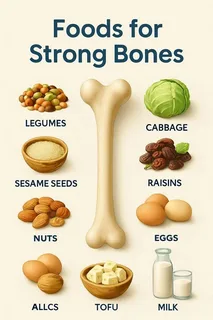
Strong bones are an essential part of a healthy and active life. They provide structure for the body, protect important organs, support movement, and store minerals that the body needs. Although bone health is influenced by genetics, age, physical activity, hormones, and lifestyle, nutrition plays a fundamental role in maintaining healthy bones throughout life.
Calcium, vitamin D, and protein are three nutrients that receive particular attention when discussing bone health. However, strong bones require more than these individual nutrients. A balanced diet containing a variety of vitamins, minerals, and nutrient-rich foods, combined with regular physical activity and healthy lifestyle habits, provides a stronger foundation for maintaining bone health.
Why Bone Health Matters
Bone is living tissue that constantly changes. Throughout life, old bone tissue is broken down and replaced with new tissue. During childhood and adolescence, the body builds bone rapidly. Bone mass generally reaches its peak during early adulthood, after which maintaining existing bone becomes increasingly important.
As people age, bone loss can become more significant. If bones become weaker and less dense, the risk of fractures can increase.
This is why supporting bone health should begin long before older age. Developing healthy nutrition and physical activity habits during childhood, adolescence, and adulthood can help establish a strong foundation for lifelong skeletal health.
Calcium: A Key Mineral for Strong Bones
Calcium is one of the most important minerals associated with bone health. A large proportion of the body’s calcium is stored in bones and teeth, where it contributes to their structure and strength.
Calcium is also needed for other important functions, including normal muscle contraction, nerve signaling, and blood clotting. When dietary calcium intake is inadequate, the body can draw calcium from bones to help maintain normal levels in the blood.
Over time, consistently inadequate calcium intake may contribute to reduced bone strength.
Calcium-Rich Foods
Dairy products are well-known sources of calcium. Milk, yogurt, and cheese can provide significant amounts of this mineral.
People who do not consume dairy can obtain calcium from other foods, including:
- Calcium-fortified plant-based beverages
- Calcium-set tofu
- Canned fish with edible bones
- Leafy green vegetables
- Beans and legumes
- Almonds
- Certain fortified foods
The amount of calcium in plant foods can vary, and some vegetables contain compounds that affect calcium absorption. For this reason, consuming a variety of calcium-containing foods can be helpful.
Vitamin D and Calcium Absorption
Calcium and vitamin D work together in maintaining healthy bones. Vitamin D helps the body absorb calcium and is involved in normal bone metabolism.
The body can produce vitamin D when skin is exposed to sunlight. Vitamin D is also available from certain foods, including fatty fish, egg yolks, and fortified foods.
Dietary requirements can vary depending on age, geographic location, sun exposure, skin characteristics, lifestyle, and other factors.
People who spend little time outdoors or have other risk factors for vitamin D deficiency may need to discuss their vitamin D status with a healthcare professional.
Although vitamin D is essential, taking excessive amounts of supplements is not automatically beneficial. High doses can cause harmful effects, so supplementation should be appropriate for individual needs.
The Role of Protein in Bone Health
Protein is commonly associated with muscles, but it also plays an important role in bone structure and overall health.
Bones contain a protein-based framework that provides a foundation for mineral deposition. Adequate protein intake can therefore contribute to maintaining bone and muscle health.
Good protein sources include:
- Fish and seafood
- Eggs
- Poultry
- Lean meats
- Milk and yogurt
- Cottage cheese
- Beans and lentils
- Tofu and tempeh
- Nuts and seeds
Adequate protein is particularly important as people age because maintaining muscle strength can help support mobility and physical function.
Magnesium and Bone Health
Calcium and vitamin D often receive the most attention, but other minerals also contribute to normal bone function.
Magnesium is involved in numerous processes in the body and contributes to normal bone structure and metabolism.
Good dietary sources include nuts, seeds, legumes, whole grains, leafy green vegetables, and certain fish.
A varied diet that includes plenty of plant foods can help provide magnesium along with other important nutrients.
Vitamin K and Bone Nutrition
Vitamin K is another nutrient involved in normal bone metabolism. Leafy green vegetables such as spinach, kale, collard greens, and broccoli are useful sources.
Other foods also contain vitamin K, and a varied diet can help provide adequate amounts.
Rather than concentrating on a single nutrient, people should aim to consume a wide range of nutrient-rich foods that collectively support bone health.
Fruits and Vegetables for Strong Bones
Fruits and vegetables provide vitamins, minerals, fiber, and naturally occurring plant compounds that contribute to overall health.
Eating a variety of colorful produce can help increase dietary diversity. Leafy greens may provide calcium, magnesium, and vitamin K, while fruits can contribute vitamin C and other beneficial compounds.
Vitamin C is important for collagen production, and collagen forms part of the protein framework of bone.
Including vegetables and fruit regularly is therefore an important part of a bone-supportive eating pattern.
Physical Activity and Bone Strength
Nutrition is only one part of maintaining strong bones. Physical activity is equally important.
Weight-bearing activities place healthy stress on bones and can help maintain bone strength. Examples include walking, jogging, dancing, hiking, and certain sports.
Resistance training can also support bone health while helping maintain muscle strength.
People who are new to exercise should begin at an appropriate level and gradually increase activity. Individuals with osteoporosis, previous fractures, or other medical conditions should seek professional advice about suitable exercise.
Healthy Weight and Bone Health
Maintaining a healthy body weight can contribute to overall health, but extreme dieting and inadequate nutrition can be harmful to bones.
Very restrictive diets may make it difficult to consume enough calcium, vitamin D, protein, and other essential nutrients.
Healthy weight management should therefore focus on balanced nutrition rather than severe calorie restriction.
A diet containing adequate energy and nutrients is particularly important during periods of growth, pregnancy, aging, and increased physical activity.
Bone Health During Different Stages of Life
Bone health needs can change throughout life.
Childhood and Adolescence
Young people experience rapid bone development. Adequate nutrition, physical activity, and sufficient intake of calcium and vitamin D can help support normal skeletal development.
Adulthood
During adulthood, the focus shifts toward maintaining the bone mass developed during earlier years. A balanced diet, regular resistance and weight-bearing exercise, and healthy lifestyle habits are important.
Older Adults
With aging, maintaining muscle and bone strength becomes increasingly important. Adequate protein, calcium, vitamin D, and regular physical activity can support healthy aging.
Older adults may also need to pay particular attention to hydration, appetite changes, medication effects, and other factors that can influence nutritional intake.
Foods and Habits That May Harm Bone Health
Bone health can be affected by overall lifestyle patterns. Excessive alcohol consumption and tobacco use are associated with poorer bone health.
Extremely restrictive diets can also create nutritional deficiencies.
High intake of certain foods does not automatically weaken bones, but diets that consistently replace nutrient-rich foods with highly processed foods may make it more difficult to obtain the nutrients required for good health.
The goal should be balance rather than unnecessary food restrictions.
Simple Ways to Support Strong Bones
Maintaining healthy bones does not require a complicated nutrition plan. Simple habits can make a significant difference over time.
Consider these practical strategies:
- Include calcium-rich foods regularly.
- Consume foods containing vitamin D.
- Include adequate protein throughout the day.
- Eat a variety of vegetables and fruits.
- Choose whole grains and legumes regularly.
- Include nuts and seeds as appropriate.
- Participate in weight-bearing physical activity.
- Include resistance exercises when appropriate.
- Avoid tobacco.
- Limit excessive alcohol consumption.
- Avoid extreme dieting and unnecessary food restrictions.
- Speak with a healthcare professional if you are concerned about bone density or nutrient deficiencies.
Do You Need Bone Health Supplements?
Supplements can be useful in certain situations, particularly when a person cannot obtain sufficient nutrients from food or has a medically diagnosed deficiency.
However, supplements should not automatically replace a balanced diet. Taking excessive amounts of calcium or vitamin D can cause health problems.
People who are considering bone-health supplements should discuss their individual needs with a healthcare professional. This is especially important for individuals taking medications or living with medical conditions that affect calcium, vitamin D, kidney function, or bone metabolism.
Conclusion
Strong bones are built and maintained throughout life, and nutrition plays an important role in supporting skeletal health. Calcium provides an essential mineral component of bone, vitamin D supports calcium absorption and normal bone metabolism, and protein contributes to the structural framework of bone as well as muscle health.
However, healthy bones depend on more than three nutrients. Magnesium, vitamin K, vitamin C, and other nutrients also contribute to normal physiological processes associated with bone health.
The best approach is to maintain a varied and balanced diet that includes dairy or appropriate alternatives, leafy green vegetables, fruits, whole grains, legumes, nuts, seeds, fish, eggs, and other nutrient-rich foods.
Regular weight-bearing exercise and resistance training can complement good nutrition, while avoiding tobacco and excessive alcohol can further support long-term bone health.
Ultimately, bone health is a lifelong investment. By developing healthy eating and physical activity habits early and maintaining them consistently, people can create a strong foundation for mobility, independence, and overall well-being throughout life.