Introduction
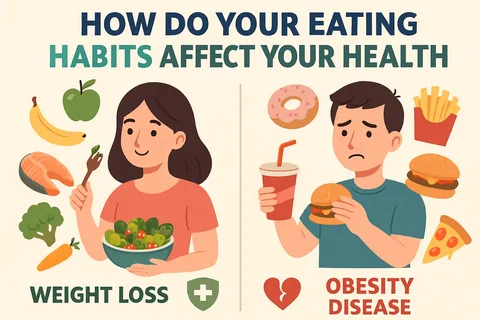
Food is an essential part of human life because the body depends on nutrients obtained from food to produce energy, grow, repair tissues, and maintain normal physiological functions. Healthy eating habits contribute to physical strength, mental well-being, disease prevention, and overall quality of life. In contrast, poor eating habits can negatively affect both physical and mental health, particularly when unhealthy dietary practices continue for a long period.
Poor eating habits refer to patterns of food consumption that do not provide the body with adequate or balanced nutrition. These habits may include regularly skipping meals, consuming excessive amounts of sugary foods and drinks, eating too much fried or highly processed food, consuming excessive salt, eating insufficient fruits and vegetables, and failing to maintain an appropriate balance of essential nutrients.
The effects of poor eating habits can vary from person to person. They may depend on age, genetics, physical activity, existing health conditions, socioeconomic circumstances, and the duration and severity of the dietary pattern. Nevertheless, maintaining a nutritious and varied diet is an important part of protecting both physical and mental health.
Understanding Poor Eating Habits
Poor eating habits are not limited to eating large quantities of food. A person can consume enough or even excessive calories while still failing to obtain important nutrients.
For example, a diet dominated by sugary drinks, refined carbohydrates, fried foods, and highly processed snacks may provide considerable energy but insufficient fibre, vitamins, minerals, and other nutrients.
Similarly, eating too little food or avoiding entire food groups without appropriate nutritional planning can result in nutrient deficiencies.
Healthy eating is therefore about balance, variety, adequacy, and moderation.
Common Examples of Poor Eating Habits
Several behaviours can contribute to poor nutrition. These include frequently skipping breakfast or other meals, eating very large portions, consuming excessive sugary drinks, relying heavily on fast food, eating insufficient vegetables and fruits, consuming excessive salt, and frequently choosing foods high in saturated fats and added sugars.
Other unhealthy behaviours include eating while distracted, eating irregularly because of a busy lifestyle, and following extreme diets without professional guidance.
When these behaviours become regular patterns, they can affect the body’s nutritional status and contribute to health problems.
Poor Eating Habits and Physical Health
The physical effects of poor eating habits can develop gradually.
A diet lacking essential nutrients may affect the body’s ability to maintain tissues, produce energy, support immunity, and perform normal biological processes.
Inadequate intake of iron, for example, can contribute to iron-deficiency anaemia. Insufficient calcium and vitamin D can affect bone health, while inadequate intake of fruits, vegetables, and whole grains can result in insufficient dietary fibre.
At the same time, excessive intake of energy-dense foods can contribute to unhealthy weight gain.
Poor Eating Habits and Obesity
One of the major health concerns associated with unhealthy dietary patterns is excessive weight gain.
Regular consumption of foods and drinks containing large amounts of energy, particularly when combined with low physical activity, can contribute to an imbalance between energy intake and expenditure.
Over time, this may contribute to overweight and obesity.
Obesity is a complex health condition influenced by many factors, including genetics, environment, sleep, physical activity, medications, and socioeconomic conditions. It should therefore not be viewed simply as the result of individual food choices.
However, improving dietary quality can form part of a broader strategy for supporting healthy body weight.
Effects on Cardiovascular Health
Poor dietary patterns can also affect cardiovascular health.
Regularly consuming excessive amounts of sodium may contribute to elevated blood pressure in susceptible individuals.
Diets high in saturated and industrial trans fats can adversely affect blood cholesterol levels.
In contrast, diets containing vegetables, fruits, whole grains, legumes, nuts, seeds, fish, and appropriate sources of unsaturated fats can support cardiovascular health.
Maintaining a nutritious diet is therefore an important component of reducing cardiovascular risk.
Poor Eating Habits and Type 2 Diabetes
Dietary patterns can also influence the risk of developing type 2 diabetes.
Frequent consumption of sugary drinks and highly processed foods can contribute to excessive energy intake and unhealthy weight gain.
Diets lacking sufficient fibre may also be less supportive of healthy blood glucose regulation.
Foods such as vegetables, fruits, legumes, and whole grains can provide dietary fibre and form part of a balanced dietary pattern.
However, diabetes risk is influenced by several factors, including genetics, age, physical activity, body weight, and other health conditions.
Effects on the Digestive System
Poor eating habits can affect digestive health.
Insufficient intake of dietary fibre may contribute to constipation and other digestive difficulties.
Fibre is found in vegetables, fruits, legumes, nuts, seeds, and whole grains.
Excessive consumption of highly processed foods and inadequate consumption of fibre-rich foods can therefore result in a diet that is less supportive of healthy digestion.
Adequate water intake is also important for normal digestive function.
Effects on the Immune System
Nutrition plays an important role in normal immune function.
The immune system requires adequate energy, protein, vitamins, and minerals to perform its functions.
Poor nutrition, particularly severe deficiencies of essential nutrients, can interfere with normal immune responses.
A varied diet containing vegetables, fruits, whole grains, legumes, protein-rich foods, nuts, and seeds can help provide many of the nutrients required for normal body functions.
Good nutrition does not make a person completely protected from illness, but it contributes to the body’s normal physiological and immune functions.
Poor Eating Habits and Energy Levels
Food provides the energy required for daily activities.
Poor eating habits may result in inadequate or poorly balanced energy intake.
For example, frequently skipping meals may leave some people feeling tired or unable to concentrate, while diets dominated by highly processed foods may not provide a broad range of essential nutrients.
A balanced diet containing appropriate amounts of carbohydrates, proteins, healthy fats, vitamins, minerals, and water can support normal energy metabolism.
The Relationship Between Nutrition and Mental Health
Nutrition is important not only for physical health but also for brain function.
The brain requires energy and nutrients to maintain its normal activities.
Dietary patterns that provide a variety of nutrients can support general health and normal brain function.
However, mental health is complex and is influenced by many factors, including genetics, stress, sleep, relationships, environment, and life circumstances.
Nutrition should therefore be viewed as one component of mental well-being rather than as a replacement for professional mental healthcare.
Poor Eating Habits and Concentration
Eating patterns may also influence a person’s ability to maintain concentration.
The brain requires a continuous supply of energy, and irregular or inadequate food intake may affect how some individuals feel and function during the day.
Children and adolescents may be particularly affected when poor dietary habits are combined with inadequate sleep and other lifestyle challenges.
A nutritious breakfast or balanced meal can provide energy and nutrients needed for daily activities, although individual eating patterns and nutritional needs vary.
Effects on Children and Adolescents
Children and adolescents require adequate nutrition because their bodies and brains are still developing.
Poor eating habits during these stages can contribute to inadequate nutrient intake and may interfere with healthy growth and development.
Children who regularly consume sugary drinks, sweets, highly processed snacks, and fast food while consuming few fruits and vegetables may have diets that lack important nutrients.
Parents, caregivers, and schools can help children develop healthier eating habits by making nutritious foods available and providing nutrition education.
Effects on Adults
Adults may develop poor eating habits because of work schedules, stress, limited time, financial challenges, and social influences.
Long working hours can lead to frequent reliance on fast food or convenience meals.
Adults may also consume excessive amounts of caffeinated or sugary beverages during demanding work periods.
Over time, these habits can contribute to poor dietary quality and increase the risk of health problems.
Meal planning, preparing food at home, choosing nutritious snacks, and maintaining regular physical activity can help support healthier habits.
Effects on Older Adults
Older adults can also experience nutritional challenges.
Changes in appetite, dental health, taste, mobility, medications, and medical conditions can influence food intake.
Some older adults may consume insufficient amounts of protein, vitamins, minerals, or fluids.
Maintaining adequate nutrition is important for supporting muscle strength, bone health, immunity, and general physical function.
Older adults with specific medical or nutritional concerns should receive appropriate professional guidance.
Social and Economic Factors
It is important to recognize that poor eating habits are not always simply a matter of personal choice.
Income, food prices, availability of nutritious foods, transportation, education, employment, and neighbourhood food environments can all influence dietary behaviour.
A family with limited financial resources may find it difficult to purchase a wide variety of nutritious foods.
Therefore, addressing poor nutrition requires both individual action and broader community and public health approaches.
The Influence of Advertising and Social Media
Food advertising and social media can influence people’s food preferences.
Children and young adults are frequently exposed to advertisements for sugary drinks, snacks, fast foods, and other highly processed products.
Social media may also promote unrealistic diets, unverified supplements, or extreme approaches to weight management.
Consumers should evaluate nutrition information carefully and seek advice from qualified healthcare professionals or reliable health organizations when necessary.
Ways to Improve Eating Habits
Improving eating habits does not necessarily require sudden or extreme changes.
Individuals can begin by increasing their intake of vegetables and fruits, choosing whole grains more often, including appropriate sources of protein, drinking adequate water, and reducing excessive consumption of sugary drinks and highly processed foods.
Eating a variety of foods is important because different foods provide different nutrients.
Meal planning can also make it easier to maintain healthy eating patterns.
Individuals should avoid extreme diets that eliminate major food groups unless such restrictions are medically necessary and professionally supervised.
The Importance of Physical Activity
Healthy eating should be combined with regular physical activity.
Physical activity supports cardiovascular health, muscle strength, bone health, metabolic health, and psychological well-being.
Regular movement can also contribute to maintaining a healthy body weight.
Activities such as walking, cycling, swimming, sports, dancing, and strength exercises can be incorporated into daily life according to individual ability and circumstances.
The Role of Families and Schools
Families play an important role in establishing eating habits, particularly during childhood.
Parents and caregivers can encourage healthy eating by providing nutritious meals and demonstrating healthy behaviours.
Schools can also support healthy nutrition through education, school meals, and healthy food environments.
Teaching young people about food, nutrition, physical activity, and healthy lifestyle choices can help them develop habits that may continue into adulthood.
Recommendations
Several measures can help reduce the impact of poor eating habits.
Individuals should consume a varied diet that includes vegetables, fruits, whole grains, legumes, protein-rich foods, and appropriate sources of healthy fats.
Excessive consumption of added sugars, sodium, saturated fats, and highly processed foods should be limited.
People should maintain adequate hydration and participate in regular physical activity.
Adequate sleep should also be prioritized because sleep contributes to overall physical and mental well-being.
Nutrition education should be strengthened in schools and communities, while access to affordable nutritious foods should be improved.
Individuals with specific medical or nutritional conditions should seek advice from qualified healthcare professionals.
Conclusion
Poor eating habits can have significant effects on both physical and mental health. Regularly consuming an unbalanced diet, skipping meals, relying heavily on highly processed foods, consuming excessive amounts of added sugars and sodium, and eating too few fruits and vegetables can contribute to poor nutritional status.
The consequences may include nutrient deficiencies, digestive problems, unhealthy body weight, cardiovascular risk, impaired metabolic health, and reduced overall well-being. Nutrition can also contribute to normal brain function and mental well-being, although mental health is influenced by many factors beyond diet.
The development of healthy eating habits should therefore be viewed as a long-term process. A nutritious diet should contain a variety of foods and provide adequate amounts of essential nutrients while limiting excessive consumption of less nutritious foods.
Ultimately, healthy eating is one important component of a healthy lifestyle. When combined with regular physical activity, adequate sleep, proper hydration, good hygiene, stress management, and appropriate healthcare, healthy dietary habits can contribute to improved physical health, mental well-being, and quality of life.vv