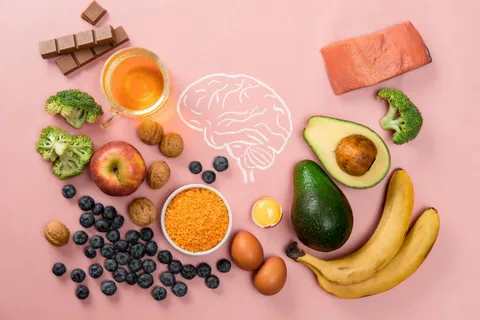
Mental well-being is an important part of overall health, and nutrition may play a meaningful role in supporting the brain and nervous system. The foods we eat provide the energy and nutrients required for brain function, while dietary patterns can also influence processes throughout the body that are connected with mood and mental well-being.
Although nutrition is not a substitute for professional treatment for mental health conditions, maintaining a balanced and nutrient-rich diet can be an important part of a healthy lifestyle. Understanding the connection between nutrition and mental health can help people make informed choices about the foods they include in their daily routine.
How Nutrition Supports Brain Health
The brain requires a constant supply of energy and nutrients to perform its many functions. It controls movement, memory, concentration, emotions, decision-making, and numerous other processes.
Carbohydrates, proteins, fats, vitamins, minerals, and water all contribute to normal physiological function. A diet that provides a variety of nutrient-dense foods can help ensure that the body has access to the nutrients needed for normal brain and nervous system function.
Instead of focusing on a single “brain food,” it is more useful to consider the overall quality of the diet. Regularly consuming vegetables, fruits, whole grains, legumes, nuts, seeds, fish, and other nutritious foods can provide a wide range of essential nutrients.
The Relationship Between Diet and Mood
Food and mood are connected in several ways. Nutrients participate in biological processes involved in neurotransmitter production, energy metabolism, and nervous system function.
For example, protein-rich foods provide amino acids that the body uses to produce various compounds involved in communication between nerve cells. B vitamins, magnesium, iron, zinc, and other nutrients also have important physiological roles.
However, eating a particular food does not automatically improve mood. Mental well-being is influenced by many factors, including sleep, physical activity, stress, social relationships, genetics, environment, and access to healthcare.
Nutrition should therefore be viewed as one component of a broader approach to mental wellness.
Omega-3 Fatty Acids and Brain Health
Omega-3 fatty acids are a type of polyunsaturated fat that has received considerable attention in nutrition and brain health research.
Fatty fish such as salmon, sardines, trout, and mackerel are important dietary sources of omega-3 fatty acids. Plant foods such as flaxseeds, chia seeds, and walnuts provide another type of omega-3 fatty acid.
Omega-3 fats are involved in normal cell structure and function, including in the nervous system. Research continues to investigate how dietary omega-3 intake may relate to mood and mental health.
Including sources of healthy fats as part of a balanced diet can therefore contribute to overall nutritional quality.
The Gut-Brain Connection
The relationship between nutrition and mental well-being extends beyond the brain itself. Scientists have increasingly studied the connection between the digestive system and the brain, often referred to as the gut-brain axis.
The gut contains trillions of microorganisms that interact with the body in complex ways. Diet is one of the factors that can influence the composition and activity of the gut microbiome.
Fiber-rich foods such as vegetables, fruits, whole grains, beans, lentils, nuts, and seeds provide nutrients that support healthy digestive function. Fermented foods such as yogurt, kefir, sauerkraut, and kimchi can also be included in a varied diet.
Research into the gut-brain connection is ongoing, and scientists are still determining exactly how dietary patterns and the microbiome influence mental health.
The Importance of a Balanced Diet
A balanced diet is more important than relying on individual supplements or so-called superfoods.
A healthy eating pattern can include a variety of vegetables and fruits, whole grains, legumes, nuts, seeds, lean protein sources, seafood, and healthy fats. These foods provide different nutrients that work together to support normal body and brain function.
Colorful fruits and vegetables are particularly useful because different plant foods contain different vitamins, minerals, fiber, and naturally occurring compounds.
Variety is therefore an important principle of healthy nutrition. Eating a broad selection of foods makes it easier to obtain a diverse range of nutrients.
Blood Sugar and Energy Levels
Food choices can also influence energy levels throughout the day. Meals that combine protein, fiber-rich carbohydrates, and healthy fats may provide more sustained energy than meals dominated by refined carbohydrates and added sugars.
For example, oatmeal with berries and nuts provides a combination of whole grains, fiber, fruit, and healthy fats. Similarly, a meal containing brown rice, vegetables, beans, and avocado can provide several different nutrients while contributing to a balanced eating pattern.
Maintaining consistent eating habits may also help people avoid extreme hunger, which can affect energy, concentration, and food choices.
Hydration and Mental Performance
Hydration is another important part of nutrition and brain health. Water is essential for numerous physiological processes, including circulation and temperature regulation.
When the body loses significant amounts of fluid, symptoms such as fatigue, headache, and difficulty concentrating may occur. Maintaining adequate hydration throughout the day can therefore support normal physical and cognitive functioning.
Water is generally an excellent everyday beverage. Individual fluid requirements vary according to factors such as physical activity, climate, diet, age, and health status.
Foods to Limit
A healthy diet does not require completely eliminating specific foods. However, frequently consuming large amounts of highly processed foods, added sugars, and foods high in saturated fat or sodium can make it more difficult to maintain overall dietary quality.
Instead of focusing on strict restriction, people can emphasize nutrient-rich foods while enjoying less nutritious foods in moderation.
For example, replacing sugary drinks with water, choosing whole grains more often, and adding an extra serving of vegetables can gradually improve dietary quality without requiring an extreme diet.
Nutrition, Sleep, and Mental Well-Being
Nutrition is also connected with sleep, and sleep plays an important role in mental well-being. Poor sleep can affect concentration, mood, appetite, and daily energy.
Certain dietary habits may support better sleep routines. Limiting caffeine later in the day, avoiding very heavy meals immediately before bed, and maintaining regular eating patterns may be helpful for some people.
A nutritious diet alone cannot solve persistent sleep problems, but healthy eating can form part of a broader lifestyle that includes adequate sleep, physical activity, and stress management.
Practical Ways to Improve Nutrition for Mental Well-Being
Improving nutrition does not require an expensive meal plan or complicated recipes. Small, sustainable changes can make a meaningful difference to overall dietary quality.
Consider these practical habits:
- Include vegetables or fruit with most meals.
- Choose whole grains such as oats, brown rice, and whole-grain bread.
- Include protein sources such as eggs, fish, beans, yogurt, poultry, nuts, or seeds.
- Eat sources of healthy fats, including nuts, seeds, avocado, and oily fish.
- Drink enough fluids throughout the day.
- Limit frequent consumption of highly processed foods and sugary beverages.
- Aim for variety rather than eating the same foods every day.
- Combine healthy nutrition with regular physical activity and sufficient sleep.
Conclusion
Nutrition and mental well-being are closely connected, although the relationship is complex. The brain requires a steady supply of energy and nutrients, and a balanced diet can support normal brain and nervous system function.
Foods rich in protein, fiber, healthy fats, vitamins, and minerals can form the foundation of a nutritious eating pattern. Omega-3-rich foods, colorful fruits and vegetables, whole grains, legumes, nuts, seeds, and adequate fluids can all contribute to overall nutritional quality.
At the same time, mental health is influenced by many factors, and nutrition should not be presented as a cure for mental health conditions. Anyone experiencing persistent depression, anxiety, major changes in mood, or other concerning symptoms should consider speaking with a qualified healthcare professional.
Ultimately, supporting mental well-being begins with a whole-person approach. A nutritious diet, regular physical activity, quality sleep, healthy relationships, stress management, and appropriate professional support can work together as important parts of a healthy lifestyle.
SEO Keywords: nutrition and mental health, nutrition and mental well-being, brain health, healthy diet, mental wellness, mood and nutrition, foods for brain health, omega-3 fatty acids, gut-brain connection, nutrient-rich foods, healthy eating habits, balanced diet, foods for mental health, nutrition for brain health, healthy lifestyle.