The immune system is one of the body’s most important defense mechanisms. It protects the body from harmful microorganisms and helps identify and respond to various threats. While no single food can guarantee protection from illness, nutrition plays an important role in supporting normal immune function.
A balanced diet provides the vitamins, minerals, protein, healthy fats, and other nutrients that the immune system needs to function properly. Along with adequate sleep, regular physical activity, stress management, good hygiene, and appropriate medical care, healthy nutrition can be an important part of maintaining overall health.
Understanding the relationship between nutrition and immune health can help people make better food choices and develop sustainable healthy eating habits.
What Is the Immune System?
The immune system is a complex network involving cells, tissues, organs, and biological processes that work together to protect the body.
It includes components such as white blood cells, antibodies, the lymphatic system, bone marrow, and other tissues and organs. These components communicate with one another to help identify and respond to potential threats.
Because the immune system is so complex, it requires a consistent supply of nutrients to support its normal functions. Poor nutrition can affect the body’s ability to maintain healthy physiological processes, while a balanced diet can provide the nutrients needed for normal immune activity.
The Importance of a Balanced Diet for Immune Health
A balanced diet is one of the most practical ways to support overall immune function.
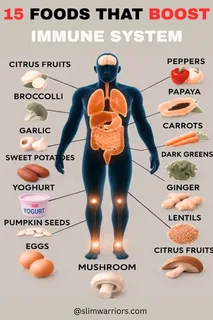
Instead of focusing on a single “immune-boosting” food, nutrition experts generally emphasize dietary variety. Different foods provide different nutrients, and consuming a broad range of foods makes it easier to obtain the vitamins and minerals required by the body.
A healthy eating pattern can include:
- Vegetables and fruits
- Whole grains
- Beans and lentils
- Nuts and seeds
- Fish and seafood
- Eggs
- Lean meats and poultry
- Dairy products or appropriate alternatives
- Healthy plant-based oils
Combining these foods throughout the day can provide a wide range of essential nutrients.
Vitamin C and Immune Function
Vitamin C is one of the nutrients commonly associated with immune health. It is involved in several biological processes, including normal immune system function.
Citrus fruits such as oranges, grapefruit, lemons, and limes are well-known sources of vitamin C. Other sources include strawberries, kiwi, bell peppers, broccoli, tomatoes, and Brussels sprouts.
Eating a variety of fruits and vegetables is generally a better strategy than relying on supplements alone. Vitamin C supplements may be appropriate in certain circumstances, but high doses do not automatically provide additional protection from illness.
Vitamin D and the Immune System
Vitamin D is another nutrient involved in normal immune function. The body can produce vitamin D when skin is exposed to sunlight, while dietary sources include fatty fish, egg yolks, fortified foods, and some mushrooms.
Vitamin D requirements vary depending on factors such as age, location, sun exposure, skin characteristics, diet, and health status.
People who are concerned about vitamin D deficiency can discuss testing and supplementation with a healthcare professional. Taking very high doses without medical guidance is not recommended because excessive vitamin D can be harmful.
Zinc and Immune Health
Zinc is an essential mineral that contributes to numerous biological processes, including normal immune function.
Food sources of zinc include meat, seafood, dairy products, beans, lentils, nuts, seeds, and whole grains.
A varied diet can help most people obtain zinc from food. Certain groups may have higher nutritional requirements or difficulty obtaining adequate amounts and may benefit from individualized dietary guidance.
As with other nutrients, more is not necessarily better. Excessive zinc supplementation can cause adverse effects and interfere with the absorption of other nutrients.
Protein and Immune Function
Protein is often discussed in relation to muscles, but it is also important for many other processes in the body.
The immune system relies on proteins for the production and maintenance of various cells and molecules involved in immune responses. Consuming enough protein as part of a balanced diet is therefore important for overall health.
Protein-rich foods include fish, eggs, poultry, lean meat, yogurt, milk, beans, lentils, tofu, tempeh, nuts, and seeds.
Including protein in regular meals can help ensure that the body has access to essential amino acids.
Antioxidants and Plant Foods
Fruits and vegetables contain numerous naturally occurring compounds, including antioxidants and other plant compounds that contribute to overall health.
Berries, leafy greens, tomatoes, peppers, carrots, citrus fruits, beans, nuts, and seeds are examples of nutrient-rich foods that can contribute to a varied diet.
Rather than searching for a single “superfood,” consider eating a variety of colorful plant foods. Different colors often reflect different naturally occurring compounds and nutrients.
A colorful plate can therefore be both visually appealing and nutritionally diverse.
Gut Health and the Immune System
A significant part of the body’s immune activity is associated with the gastrointestinal system. The gut also contains a complex community of microorganisms known as the gut microbiota.
Diet is one factor that influences the gut microbiome. Fiber-rich foods such as vegetables, fruits, whole grains, beans, lentils, nuts, and seeds can support healthy digestive function.
Fermented foods such as yogurt, kefir, sauerkraut, kimchi, and other fermented products may also be included as part of a varied diet.
Research into the relationship between the gut microbiome and immune function is continuing. Although the science is developing, maintaining a fiber-rich and diverse diet is already consistent with established healthy eating principles.
Hydration and Immune Health
Water is essential for normal body function. Adequate hydration supports circulation, temperature regulation, digestion, and other physiological processes.
Although drinking extra water does not “supercharge” the immune system, dehydration can negatively affect general well-being.
Water is generally an excellent everyday beverage. Fluid needs vary according to physical activity, climate, diet, age, and health conditions.
People who exercise heavily or spend significant time in hot environments may need additional fluids.
Foods and Habits to Limit
Healthy nutrition is not only about what you add to your diet. It can also involve moderating certain foods and beverages.
Frequently consuming large amounts of added sugar, highly processed foods, and alcohol can make it more difficult to maintain overall dietary quality.
This does not mean these foods must always be eliminated. A healthy diet can include flexibility and enjoyment.
The goal is to make nutrient-rich foods the foundation of the diet while keeping foods with limited nutritional value in moderation.
Supplements: Are They Necessary?
Dietary supplements can be useful for people who have specific nutritional deficiencies or increased nutritional requirements. However, supplements should not automatically replace a balanced diet.
Many products are marketed with claims about “boosting immunity,” but these claims can be misleading. Taking large amounts of vitamins or minerals can sometimes cause adverse effects.
For example, excessive intake of certain fat-soluble vitamins can lead to toxicity, while high doses of some minerals can interfere with other nutrients.
Anyone considering supplements should discuss them with a qualified healthcare professional, particularly if they take medications or have an underlying medical condition.
Lifestyle Habits That Support Immune Health
Nutrition is only one part of maintaining a healthy immune system.
Other important lifestyle habits include getting adequate sleep, staying physically active, managing stress, avoiding tobacco, maintaining good hygiene, and following recommended medical and preventive care.
Regular physical activity can support overall cardiovascular and metabolic health. Adequate sleep is also important because the body uses sleep as a period for restoration and regulation.
Stress management is another valuable component. Long-term stress can affect overall health and may make it more difficult to maintain healthy behaviors.
A healthy lifestyle works best as a complete system rather than as a collection of isolated habits.
Practical Ways to Improve Your Diet
Improving nutrition does not require an expensive meal plan or complicated recipes.
Try incorporating simple habits such as:
- Add fruit to breakfast or snacks.
- Include vegetables with lunch and dinner.
- Choose whole grains more often.
- Eat beans or lentils regularly.
- Include a protein source with meals.
- Add nuts or seeds to appropriate meals.
- Choose water as your primary beverage.
- Eat a variety of colorful fruits and vegetables.
- Limit excessive alcohol and highly processed foods.
- Focus on consistency rather than perfection.
Small changes can become sustainable habits when repeated regularly.
Conclusion
Nutrition plays an important role in supporting normal immune function, but there is no single food, drink, or supplement that can guarantee immunity from illness.
The strongest foundation is a balanced and varied diet that provides adequate protein, vitamins, minerals, healthy fats, fiber, and fluids. Foods such as vegetables, fruits, whole grains, legumes, nuts, seeds, fish, eggs, and other nutrient-rich foods can contribute to overall nutritional quality.
Supporting immune health also requires more than nutrition. Adequate sleep, regular physical activity, stress management, good hygiene, avoiding tobacco, and appropriate healthcare all contribute to overall well-being.
Rather than searching for quick fixes or miracle immune-boosting products, focus on sustainable healthy habits. A diverse, nutrient-rich diet combined with a healthy lifestyle can provide the body with the nutritional foundation it needs to support normal immune function and long-term health.