Introduction
Minerals are essential nutrients required by the human body for normal growth, development, maintenance, and physiological functioning. Although the body needs minerals in relatively small amounts compared with carbohydrates, proteins, and fats, their importance should not be underestimated. Minerals participate in numerous processes, including the production of energy, formation of blood cells, maintenance of bones and teeth, nerve function, muscle activity, fluid balance, enzyme activity, and immune system function.
Among the many minerals required by the human body, zinc, iron, and selenium are particularly important. Each performs different functions, but all contribute to maintaining normal health. Zinc supports immune function, growth, wound healing, and many enzymatic reactions. Iron is essential for oxygen transport, energy metabolism, and normal development. Selenium contributes to antioxidant protection, thyroid function, and normal immune processes.
A deficiency of any of these minerals can interfere with normal body functions. However, excessive intake can also be harmful, particularly when high-dose supplements are used unnecessarily. The best approach for most people is to obtain nutrients through a varied and balanced diet, while supplementation should be considered when medically appropriate.
Understanding Minerals
Minerals are naturally occurring elements that the body requires for various biological processes. Unlike vitamins, which are organic compounds, minerals are inorganic elements.
Some minerals are needed in relatively large amounts, while others are required in smaller quantities. Zinc, iron, and selenium are examples of essential minerals that the body cannot produce in sufficient amounts on its own. They must therefore be obtained through food and, when necessary, appropriate supplementation.
The amount required differs according to age, sex, pregnancy status, growth, health conditions, and other factors. Children, adolescents, pregnant women, and people with certain medical conditions may have particular nutritional requirements.
Importance of Zinc
Zinc is an essential mineral involved in numerous processes throughout the body. It is required for the activity of many enzymes and contributes to normal growth, development, immune function, wound healing, and cell division.
Zinc and Immune Function
One of the most important roles of zinc is its contribution to normal immune function.
The immune system requires zinc for the development and functioning of various immune cells. Adequate zinc intake therefore forms part of maintaining normal body defenses.
Zinc deficiency can impair immune function and may increase vulnerability to infections.
However, taking excessive zinc supplements does not automatically produce a stronger immune system. The body requires zinc within an appropriate range, and excessive intake can interfere with the absorption of other minerals and cause adverse effects.
Zinc and Growth
Zinc is particularly important during childhood and adolescence because these are periods of rapid physical growth.
It contributes to cell division and normal development.
Children who do not receive adequate zinc may be at risk of impaired growth and other nutritional problems, especially when poor zinc intake occurs alongside general malnutrition.
Including zinc-rich foods in children’s diets is therefore an important part of supporting healthy development.
Zinc and Wound Healing
Zinc contributes to the normal maintenance of skin and the body’s tissue-repair processes.
When the body experiences an injury, various biological processes are activated to repair damaged tissue. Zinc participates in several of these processes.
Adequate nutrition, including sufficient zinc, is therefore important for normal wound healing.
Sources of Zinc
Zinc can be obtained from a variety of foods.
Animal sources include meat, fish, poultry, eggs, and dairy products. Plant sources include beans, lentils, nuts, seeds, and whole grains.
The amount of zinc absorbed from plant foods can vary depending on the composition of the diet.
A varied diet containing different protein sources and plant foods can help individuals obtain adequate zinc.
Importance of Iron
Iron is another essential mineral with several critical functions.
One of its most important roles is helping the body transport oxygen.
Iron and Haemoglobin
Haemoglobin is a protein found in red blood cells that carries oxygen from the lungs to tissues throughout the body.
Iron is an essential component of haemoglobin.
When the body does not have sufficient iron, it may not be able to produce enough healthy haemoglobin. This can lead to iron-deficiency anaemia.
Iron-deficiency anaemia can cause symptoms such as tiredness, weakness, reduced physical capacity, dizziness, and difficulty concentrating.
Iron and Energy Production
Iron also participates in processes involved in energy production.
When tissues receive insufficient oxygen because of inadequate haemoglobin, physical performance and energy levels can be affected.
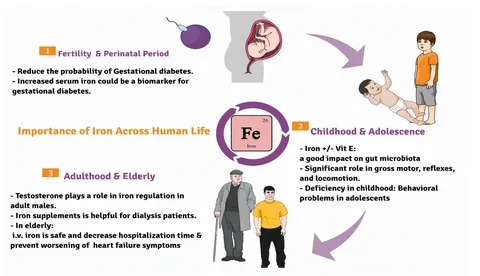
This is particularly important for children and adolescents, who require adequate nutrition to support growth, learning, and physical activity.
Iron and Brain Development
Iron is important for normal neurological development.
During childhood, the brain undergoes significant development, and adequate nutrition is essential for supporting this process.
Iron deficiency during critical periods of development can have consequences for learning, attention, and overall development.
Preventing iron deficiency is therefore an important public health concern.
Iron During Pregnancy
Pregnancy increases the body’s requirement for iron because additional blood is needed to support the developing fetus and the mother’s changing physiology.
Pregnant women are therefore at increased risk of iron deficiency if their dietary intake is inadequate.
Healthcare professionals may recommend iron supplementation during pregnancy depending on individual circumstances and local health guidelines.
Sources of Iron
Iron is found in both animal and plant foods.
Animal sources include red meat, poultry, fish, and other animal products.
Plant sources include beans, lentils, peas, leafy green vegetables, nuts, seeds, and fortified foods.
There are two major forms of dietary iron: haem iron, which is found mainly in animal foods, and non-haem iron, which is found in plant foods and some animal products.
Vitamin C can improve the absorption of non-haem iron. For example, consuming beans together with vegetables or fruits containing vitamin C can support iron absorption.
Importance of Selenium
Selenium is an essential trace mineral that the body needs in relatively small amounts.
Despite being required in small quantities, selenium performs important biological functions.
Selenium and Antioxidant Protection
Selenium is a component of certain proteins and enzymes involved in antioxidant defense.
Normal metabolism produces reactive molecules, and the body has systems that help control their effects.
Selenium contributes to the functioning of antioxidant enzymes that help protect cells from oxidative damage.
This is one reason selenium is considered important for maintaining normal cellular function.
Selenium and Thyroid Function
Selenium also plays an important role in thyroid hormone metabolism.
The thyroid gland produces hormones that regulate metabolism, growth, and development.
Selenium-containing enzymes are involved in the conversion and regulation of thyroid hormones.
Adequate selenium is therefore important for normal thyroid function.
Selenium and Immune Function
Selenium contributes to normal immune function.
The immune system depends on a variety of nutrients to function effectively, and selenium is one of the minerals involved in maintaining normal immune processes.
However, as with zinc and other nutrients, more is not necessarily better. Excessive selenium intake can cause toxicity.
Sources of Selenium
Selenium is found in foods such as fish, seafood, meat, poultry, eggs, dairy products, cereals, and some nuts.
The selenium content of plant foods can vary considerably depending on the selenium content of the soil where crops are grown.
This means that the same type of food may contain different amounts of selenium depending on where it was produced.
Relationship Between Zinc, Iron, and Selenium
Although zinc, iron, and selenium have different functions, they all contribute to normal health.
Zinc is particularly important for immune function, growth, cell division, and tissue repair.
Iron is essential for oxygen transport, energy metabolism, and normal neurological development.
Selenium contributes to antioxidant protection, thyroid function, and immune processes.
These minerals demonstrate why dietary variety is important. A person who eats a wide range of nutritious foods is more likely to obtain different essential nutrients.
Importance During Childhood
Children have increased nutritional needs because they are growing and developing.
Zinc contributes to normal growth and immune function, iron supports oxygen transport and neurological development, and selenium contributes to normal physiological processes.
Children who consume highly restricted or nutritionally poor diets may be at greater risk of deficiencies.
Parents and caregivers can support children’s mineral intake by providing varied meals containing legumes, eggs, fish, meat, whole grains, fruits, vegetables, nuts, and seeds.
Importance During Adolescence
Adolescence is another period of rapid physical development.
Iron requirements may be particularly important during adolescence, especially among menstruating girls because of regular blood loss.
Adequate zinc is also important for growth and development.
A varied diet can help adolescents obtain these minerals without relying unnecessarily on supplements.
Nutrition education is important during this stage because adolescents increasingly make independent food choices.
Mineral Deficiencies
Mineral deficiencies can occur when dietary intake is inadequate, when the body cannot absorb nutrients properly, or when nutritional requirements increase.
Iron deficiency is one of the most common nutritional deficiencies globally.
Zinc deficiency can affect growth and immune function, particularly among vulnerable populations.
Selenium deficiency is less common in many populations but may occur where food sources contain low amounts of selenium.
Symptoms of mineral deficiencies can vary, and many symptoms are not specific to one nutrient.
Therefore, suspected deficiencies should be evaluated by an appropriate healthcare professional rather than treated through unnecessary high-dose supplementation.
Risks of Excessive Mineral Intake
Although deficiencies are harmful, excessive mineral intake can also cause health problems.
Excessive zinc can cause nausea and may interfere with copper absorption.
Too much iron can be harmful and can lead to toxicity in certain circumstances.
Excessive selenium can cause symptoms such as gastrointestinal problems, hair or nail changes, and other toxic effects.
These risks demonstrate why mineral supplements should not be taken in large quantities without an appropriate reason.
Obtaining Minerals Through a Balanced Diet
For most people, a varied diet is the preferred way to obtain essential minerals.
Meals can include a combination of whole grains, legumes, vegetables, fruits, eggs, fish, lean meats, dairy products or suitable alternatives, nuts, and seeds.
For example, a meal containing beans, whole grains, vegetables, and a source of animal protein can provide several important nutrients.
Dietary diversity is especially important because different foods contain different combinations of vitamins and minerals.
The Role of Nutrition Education
Nutrition education can help individuals understand the importance of minerals and make healthier food choices.
Children can learn about nutritious foods through schools and family environments.
Parents can teach children about the benefits of eating different food groups rather than relying heavily on highly processed foods.
Healthcare professionals can provide individualized advice when nutritional deficiencies are suspected.
Nutrition education is particularly important in communities where access to accurate health information is limited.
Conclusion
Zinc, iron, and selenium are essential minerals that play important roles in maintaining human health. Although they are required in relatively small amounts, their functions are extensive.
Zinc contributes to immune function, growth, cell division, wound healing, and normal development. Iron is essential for haemoglobin production, oxygen transport, energy metabolism, and normal neurological development. Selenium contributes to antioxidant protection, thyroid hormone metabolism, and normal immune function.
These minerals are particularly important during childhood, adolescence, pregnancy, and other periods when nutritional requirements may increase. Deficiencies can interfere with normal physiological functions and may lead to significant health problems.
The best way to maintain adequate mineral intake for most people is to consume a varied and balanced diet containing a wide range of nutritious foods. Meat, fish, eggs, dairy products, legumes, whole grains, nuts, seeds, fruits, and vegetables can all contribute to overall nutritional adequacy.
At the same time, excessive supplementation can be harmful. Minerals should therefore be consumed in appropriate amounts, and supplements should be used when there is a demonstrated need or professional recommendation.
Ultimately, zinc, iron, and selenium demonstrate the importance of micronutrients in human health. Good nutrition is not only about obtaining sufficient energy; it is also about providing the body with the essential vitamins and minerals required for growth, development, immunity, metabolism, and normal physiological function. A balanced diet, combined with physical activity, adequate sleep, good hygiene, and appropriate healthcare, provides a strong foundation for maintaining health and well-being throughout life.