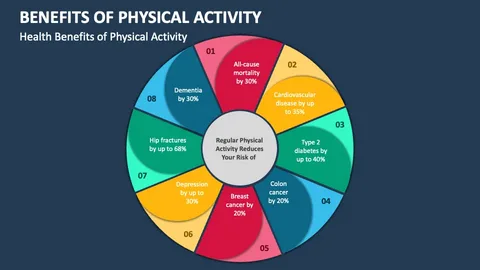
Physical activity and adequate sleep are two fundamental components of a healthy lifestyle. Good nutrition provides the body with essential nutrients, but nutrition alone is not sufficient to maintain optimal health. The human body also requires regular movement and adequate rest to function properly. Physical activity strengthens the body, supports cardiovascular health, improves mental well-being, and helps maintain a healthy body weight. Adequate sleep, on the other hand, allows the body and brain to recover, supports memory and concentration, regulates mood, and contributes to normal immune and metabolic functions.
In modern society, many people experience insufficient physical activity and inadequate sleep because of busy schedules, academic and work responsibilities, prolonged screen use, transportation habits, stress, and other lifestyle factors. Children and young people may spend long periods sitting in classrooms or using electronic devices, while adults may spend much of the day sitting at work. At the same time, late-night activities, excessive screen exposure, and demanding schedules can reduce sleep duration and quality.
Physical activity and sleep are closely connected. Regular physical activity can contribute to better sleep for many people, while adequate sleep can improve energy, concentration, and motivation to participate in physical activity. Together, they form an important foundation for physical, mental, and social well-being.
Meaning of Physical Activity
Physical activity refers to any bodily movement produced by the muscles that requires energy. It includes activities such as walking, running, cycling, swimming, dancing, playing sports, household chores, gardening, and active recreation.
Physical activity is broader than formal exercise. Exercise is planned and structured physical activity designed to improve or maintain fitness, while physical activity includes both planned activities and everyday movement.
Children may obtain physical activity through play and sports, while adults may obtain it through walking, cycling, occupational activities, household tasks, recreational activities, and structured exercise.
Importance of Physical Activity for Physical Health
Regular physical activity is important for maintaining the health and functioning of the body.
One major benefit is improved cardiovascular health. Activities such as brisk walking, cycling, swimming, and running can strengthen the heart and improve the body’s ability to use oxygen.
Physical activity also helps strengthen muscles and bones. Weight-bearing activities can support bone health, while resistance exercises can improve muscle strength and physical function.
Regular movement also helps maintain mobility and physical independence, particularly as people grow older.
Physical Activity and Healthy Body Weight
Physical activity contributes to energy expenditure and can support healthy body-weight management.
When combined with an appropriate diet, regular activity can help individuals maintain a healthy energy balance.
However, body weight is influenced by many factors, including genetics, age, medications, health conditions, sleep, diet, and environment. Physical activity should therefore be viewed as one part of a broader approach to health rather than simply as a method of controlling weight.
The goal should be to encourage enjoyable and sustainable movement rather than focusing only on body size or appearance.
Physical Activity and Mental Health
Physical activity can also benefit mental well-being.
Movement can provide opportunities for relaxation, social interaction, recreation, and stress management. Activities such as walking, dancing, swimming, or participating in sports may help people feel more energetic and improve their general sense of well-being.
Physical activity is not a replacement for professional treatment when someone has a mental health condition, but it can form part of a healthy lifestyle and may complement appropriate professional care.
Physical Activity and Cognitive Function
Physical activity is also associated with brain health.
Regular movement increases blood circulation and provides opportunities for mental stimulation and social interaction.
For children and young people, physical activity can be particularly valuable because it forms part of healthy development.
Combining physical activity with adequate sleep, nutritious food, and appropriate learning environments can support overall cognitive and educational well-being.
Importance of Physical Activity During Childhood
Children need regular opportunities to move and play.
Physical activity supports the development of muscles, bones, coordination, balance, and motor skills.
Activities such as running, jumping, climbing, swimming, cycling, dancing, and playing games can help children develop physical skills while also providing enjoyment.
Schools and families have important roles in creating opportunities for children to be physically active.
Children should also be encouraged to develop positive attitudes toward movement rather than viewing physical activity as a punishment or obligation.
Importance of Physical Activity During Adolescence
Adolescence is a period of significant physical and emotional development.
Regular physical activity can help adolescents develop strong muscles and bones, improve cardiovascular fitness, and establish healthy lifestyle habits.
Participation in sports and recreational activities can also provide opportunities for social interaction and teamwork.
Because adolescents may spend substantial amounts of time studying or using electronic devices, it is important to create a healthy balance between sedentary activities and movement.
Physical Activity in Adulthood
Adults often experience reduced physical activity because of work and family responsibilities.
Many occupations involve prolonged sitting, computer use, or other sedentary behaviours.
Adults can increase activity by walking more, taking active breaks, using stairs when appropriate, participating in recreational activities, exercising, or engaging in household tasks.
Physical activity does not necessarily require expensive equipment or a gym membership. Simple activities performed regularly can contribute to overall health.
Physical Activity in Older Age
Physical activity remains important during older adulthood.
Appropriate exercise can help older adults maintain strength, balance, flexibility, and mobility.
Activities such as walking, light resistance training, stretching, and balance exercises may be useful depending on an individual’s health status.
Regular movement can support independence and help people continue participating in everyday activities.
Older adults with health conditions should seek appropriate professional advice about suitable forms and levels of physical activity.
The Importance of Adequate Sleep
Sleep is a natural biological process during which the body and brain undergo important restorative processes.
Adequate sleep involves getting enough sleep for one’s age and maintaining good sleep quality.
Sleep requirements vary across the lifespan. Children and adolescents generally require more sleep than adults because their bodies and brains are still developing.
Sleep and Physical Recovery
During sleep, the body carries out processes associated with tissue repair, recovery, and normal physiological regulation.
Adequate sleep is particularly important after physical activity because the body requires time to recover.
People who consistently fail to obtain enough sleep may experience tiredness and reduced physical performance.
For athletes and physically active individuals, sleep is therefore an important part of recovery alongside appropriate nutrition and training.
Sleep and Brain Function
Sleep is essential for normal brain function.
Adequate sleep supports attention, concentration, learning, memory, and decision-making.
Students who consistently obtain insufficient sleep may experience difficulty concentrating and staying alert during lessons.
Adults may also experience reduced productivity and difficulty making decisions when they are sleep-deprived.
Adequate sleep therefore contributes to both educational and occupational performance.
Sleep and Emotional Well-Being
Sleep also affects emotional health.
People who do not obtain adequate sleep may experience irritability, mood changes, reduced emotional control, and difficulty coping with everyday stress.
Maintaining a consistent sleep routine can help support emotional well-being.
However, persistent sleep problems may have many possible causes and should be discussed with a qualified healthcare professional when they continue or significantly affect daily life.
Sleep and the Immune System
Sleep contributes to normal immune function.
During sleep, the body continues to regulate biological processes involved in immune defense.
Insufficient sleep may negatively affect aspects of immune functioning.
Adequate sleep should therefore be considered alongside good nutrition, physical activity, hygiene, and other healthy behaviours when promoting overall health.
Sleep and Metabolic Health
Sleep is also connected to metabolic regulation.
Consistently inadequate sleep has been associated with changes in appetite regulation, glucose metabolism, and other physiological processes.
Poor sleep patterns can make healthy lifestyle choices more difficult for some people.
For example, tired individuals may have less energy for physical activity and may find it more difficult to maintain regular meal and activity routines.
Sleep Requirements for Children and Adolescents
Children and adolescents generally require more sleep than adults.
Young children need substantial amounts of sleep because of their rapid physical and neurological development.
School-age children also require adequate sleep to support learning, concentration, growth, and emotional regulation.
Teenagers often experience changes in their biological sleep patterns, but they still require sufficient sleep for healthy development.
Parents and caregivers can support healthy sleep by establishing consistent bedtime routines and creating a quiet, comfortable sleeping environment.
Factors That Affect Sleep
Several factors can interfere with sleep.
These include stress, excessive caffeine consumption, irregular schedules, uncomfortable sleeping environments, illness, certain medications, and prolonged use of electronic devices before bedtime.
Bright light from screens may also interfere with normal sleep routines for some individuals.
Creating a consistent bedtime and wake-up schedule can help establish healthier sleep habits.
Relationship Between Physical Activity and Sleep
Physical activity and sleep influence each other.
Regular physical activity may help many people fall asleep more easily and improve sleep quality.
Adequate sleep, in turn, can provide the energy needed for physical activity.
However, the timing and intensity of exercise can matter. Some individuals may find very vigorous activity immediately before bedtime stimulating, while others do not experience this effect.
Developing a routine that combines regular daytime activity with a consistent sleep schedule can support overall well-being.
Importance of a Balanced Lifestyle
Physical activity and adequate sleep should be considered as parts of a broader healthy lifestyle.
A balanced lifestyle should include nutritious food, regular movement, sufficient sleep, stress management, good hygiene, social relationships, and appropriate healthcare.
It is not necessary for individuals to make dramatic changes immediately. Small, consistent improvements can be more sustainable.
For example, a person who spends most of the day sitting can begin by taking short walking breaks. Someone with an irregular sleep schedule can gradually establish a consistent bedtime routine.
Recommendations for Promoting Physical Activity and Good Sleep
Several practical strategies can support healthier habits.
First, individuals should choose physical activities that they enjoy because enjoyable activities are more likely to become regular habits.
Second, prolonged periods of sitting should be interrupted with movement where possible.
Third, children should be provided with opportunities for active play.
Fourth, people should establish regular sleep and wake times.
Fifth, bedrooms should be kept comfortable, quiet, and suitable for sleep.
Sixth, excessive screen use immediately before bedtime can be reduced.
Finally, persistent sleep problems, severe daytime tiredness, or difficulties with physical activity due to health conditions should be discussed with an appropriate healthcare professional.
Conclusion
Physical activity and adequate sleep are essential components of a healthy lifestyle. Regular physical activity supports cardiovascular health, muscular strength, bone health, mobility, mental well-being, and healthy physical functioning. Adequate sleep supports physical recovery, brain function, memory, concentration, emotional well-being, immune function, and metabolic health.
The importance of these two behaviours extends across the entire lifespan. Children require physical activity for healthy growth and development, while adolescents benefit from movement and sufficient sleep during a period of rapid physical and psychological change. Adults can use regular activity and adequate sleep to support physical and mental well-being, while older adults can benefit from appropriate physical activity to maintain strength, balance, mobility, and independence.
Physical activity and sleep are also closely connected. Regular movement can contribute to healthy sleep, while adequate sleep can improve energy and readiness for physical activity. However, neither should be viewed as a substitute for other aspects of healthy living.
Ultimately, maintaining good health requires a balanced approach that combines nutritious food, regular physical activity, adequate sleep, good hygiene, stress management, and appropriate healthcare. By developing healthy habits early and maintaining them throughout life, individuals can create a strong foundation for physical, mental, and social well-being.