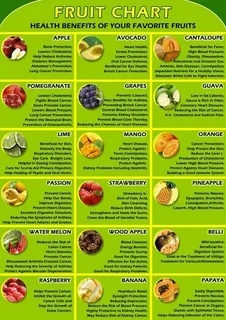
Introduction
Fruits and vegetables are among the most important components of a healthy and balanced diet. They provide the human body with a wide range of essential nutrients, including vitamins, minerals, dietary fibre, water, and various naturally occurring plant compounds. Regular consumption of a variety of fruits and vegetables contributes to good nutrition and supports many aspects of physical health and well-being.
A healthy diet is not simply about eating enough food. It is also about consuming foods that provide the nutrients required for normal growth, development, maintenance, and repair of the body. Fruits and vegetables contribute significantly to dietary quality because different varieties contain different combinations of nutrients. For this reason, eating a variety of fruits and vegetables is generally more beneficial than relying on only one or two types.
Fruits and vegetables can contribute to digestive health, immune function, cardiovascular health, healthy body weight, and overall nutritional adequacy. They can also form an important part of dietary patterns associated with a lower risk of certain chronic diseases. However, they should not be considered medicines or guaranteed protection against illness. Healthy living involves several factors, including physical activity, adequate sleep, good hygiene, access to healthcare, and other lifestyle and environmental factors.
Nutritional Value of Fruits and Vegetables
One of the main reasons fruits and vegetables are important is their nutritional value. They contain a wide range of vitamins and minerals that support normal body functions.
Fruits such as oranges, mangoes, guava, bananas, pawpaw, watermelon, and pineapple provide different combinations of vitamins, minerals, water, and fibre. Vegetables such as spinach, cabbage, carrots, tomatoes, pumpkin, okra, and peppers also provide important nutrients.
Because different foods contain different nutrients, consuming a variety of fruits and vegetables can help individuals obtain a broader range of nutrients.
Importance of Vitamins
Fruits and vegetables are important sources of several vitamins.
Vitamin C is found in many fruits and vegetables and contributes to normal immune function and collagen formation. Citrus fruits, guava, tomatoes, peppers, and other plant foods can provide vitamin C.
Some vegetables and fruits contain carotenoids, which the body can convert into vitamin A. Vitamin A contributes to normal vision, immune function, and the maintenance of tissues.
Leafy green vegetables can provide folate, which is important for cell division and normal blood formation.
The variety of vitamins found in fruits and vegetables demonstrates why consuming different types of plant foods is important.
Importance of Minerals
Fruits and vegetables can also contribute minerals that are essential for health.
Potassium is an important mineral involved in normal muscle function, nerve transmission, and fluid balance. Many fruits and vegetables provide potassium.
Magnesium is involved in numerous physiological processes and can be obtained from various plant foods.
Some vegetables and legumes also contribute iron, although iron from animal sources is generally absorbed more efficiently than iron from plant sources.
A balanced diet containing fruits, vegetables, legumes, whole grains, and other nutritious foods can therefore contribute to adequate mineral intake.
Importance of Dietary Fibre
Another major benefit of fruits and vegetables is their contribution to dietary fibre.
Fibre is a type of carbohydrate that is not completely digested in the small intestine. It plays an important role in maintaining normal digestive function.
Fruits such as apples, pears, oranges, and guava can provide fibre, while vegetables such as carrots, cabbage, spinach, and other plant foods can also contribute.
Legumes, whole grains, nuts, and seeds are additional important sources of fibre.
Adequate fibre can help support regular bowel movements and may contribute to feelings of fullness after meals.
Fruits and Vegetables and Digestive Health
The digestive system plays an important role in breaking down food and absorbing nutrients.
A diet containing adequate fibre can support normal bowel function.
Fruits and vegetables also contain water, which contributes to total fluid intake.
Regular consumption of fibre-rich plant foods can therefore form part of a dietary pattern that supports digestive health.
People who are increasing their fibre intake should generally do so gradually and maintain adequate fluid intake.
Fruits and Vegetables and Immune Function
The immune system protects the body against infections and other potentially harmful substances.
Fruits and vegetables provide nutrients that contribute to normal immune function.
For example, vitamin C contributes to normal immune function, while vitamin A and other nutrients also have important roles in maintaining normal body defenses.
However, eating a particular fruit or vegetable does not make a person completely protected from infection. Immune health is influenced by many factors, including overall nutrition, sleep, physical activity, age, genetics, underlying health conditions, and exposure to infectious organisms.
Fruits and vegetables should therefore be viewed as an important part of a healthy dietary pattern rather than as a cure or guarantee against illness.
Fruits and Vegetables and Cardiovascular Health
Cardiovascular health refers to the health of the heart and blood vessels.
Dietary patterns rich in fruits and vegetables are associated with cardiovascular health. These foods provide fibre, potassium, vitamins, minerals, and other naturally occurring plant compounds.
Replacing some highly processed foods with fruits and vegetables can improve overall dietary quality.
For example, choosing fruit instead of a sugary snack or adding vegetables to a meal can increase nutrient intake while reducing dependence on foods with excessive amounts of added sugars, sodium, or unhealthy fats.
However, cardiovascular health also depends on physical activity, blood pressure, cholesterol levels, smoking status, genetics, and other factors.
Fruits and Vegetables and Healthy Blood Pressure
Blood pressure is influenced by several factors, including genetics, age, physical activity, body weight, sodium intake, and overall dietary patterns.
Many fruits and vegetables provide potassium, which plays a role in normal fluid balance and other physiological processes.
Consuming a diet that includes a variety of fruits and vegetables can therefore contribute to a healthy dietary pattern.
People who have high blood pressure should follow appropriate medical advice and should not rely on fruits and vegetables alone as a substitute for prescribed treatment.
Fruits and Vegetables and Healthy Body Weight
Maintaining a healthy body weight is important for overall health.
Many fruits and vegetables contain substantial amounts of water and fibre and can be relatively low in energy density. This means they can contribute to satisfying meals without necessarily providing large amounts of energy.
Including vegetables and fruits regularly may help people develop a more balanced eating pattern.
However, healthy body weight depends on many factors, including genetics, physical activity, sleep, medications, health conditions, and food environment.
Therefore, fruits and vegetables should be considered part of an overall healthy lifestyle rather than a single solution to weight management.
Fruits and Vegetables and Chronic Disease Prevention
Chronic diseases such as cardiovascular disease, type 2 diabetes, and certain cancers are influenced by numerous factors.
Dietary patterns are one of these factors.
Regular consumption of fruits and vegetables can contribute to dietary patterns that support overall health. Their fibre, vitamins, minerals, and plant compounds can contribute to normal physiological processes.
A healthy diet should also include other nutritious foods such as whole grains, legumes, fish, nuts, seeds, and appropriate sources of protein.
No individual food can guarantee prevention of a particular disease. Rather, overall dietary patterns and lifestyle behaviours are important.
Antioxidants and Naturally Occurring Plant Compounds
Many fruits and vegetables contain naturally occurring compounds that have antioxidant properties.
Antioxidants can help protect cells from oxidative damage associated with reactive molecules produced naturally in the body and in response to certain environmental factors.
Different fruits and vegetables contain different plant compounds.
For this reason, consuming a variety of colours can be a practical way to increase dietary diversity. Green, orange, yellow, red, purple, and other coloured fruits and vegetables may contain different naturally occurring compounds.
Whole foods are generally preferable to relying on high-dose antioxidant supplements unless supplementation is medically indicated.
Importance During Childhood
Fruits and vegetables are particularly important during childhood because children require adequate nutrients for growth and development.
Including vegetables and fruits in children’s diets can provide vitamins, minerals, fibre, and water.
Parents and caregivers can encourage healthy eating by introducing children to different fruits and vegetables from an early age.
Schools can also promote fruit and vegetable consumption through nutrition education and healthy food programmes.
Developing healthy eating habits during childhood may help establish dietary behaviours that continue into adolescence and adulthood.
Importance During Adolescence
Adolescence is a period of rapid growth and physical development.
Teenagers require adequate nutrients to support changes in their bodies, and fruits and vegetables can contribute important vitamins, minerals, fibre, and other nutrients.
However, adolescents may be strongly influenced by social media, advertising, friends, and convenience foods.
Nutrition education can help young people understand the importance of including fruits and vegetables as part of balanced meals.
Importance During Adulthood
Adults have different nutritional requirements depending on their age, sex, physical activity, health conditions, and lifestyle.
Including fruits and vegetables regularly can help adults maintain dietary variety and provide important nutrients.
For people with busy schedules, simple strategies such as keeping fruit available as a snack, adding vegetables to soups and stews, and including salads or cooked vegetables with meals can make healthy eating easier.
Importance During Older Age
Older adults may experience changes in appetite, taste, digestion, mobility, and health status.
These changes can sometimes make it difficult to obtain adequate nutrition.
Fruits and vegetables can provide nutrients and fibre while contributing to dietary variety.
Older adults should also pay attention to adequate protein, hydration, and other nutritional requirements.
People with specific medical conditions should seek individualized nutritional advice from qualified healthcare professionals.
Fruits and Vegetables in the Nigerian Diet
Nigeria has a wide variety of fruits and vegetables that can contribute to healthy nutrition.
Examples of commonly available fruits include oranges, bananas, mangoes, watermelon, pineapple, pawpaw, and guava.
Vegetables include spinach and other leafy greens, tomatoes, peppers, carrots, cabbage, okra, pumpkin, and other locally available varieties.
These foods can be incorporated into traditional Nigerian meals.
Vegetables can be added to soups and stews, while fruits can be eaten as snacks or included in breakfast and other meals.
Beans and other legumes can also complement vegetables and provide protein and fibre.
Healthy eating does not necessarily require expensive imported foods. Locally available foods can make an important contribution to a nutritious diet.
Proper Preparation of Fruits and Vegetables
The way fruits and vegetables are prepared can influence their nutritional value and overall healthfulness.
Fresh fruits can often be eaten whole after proper washing.
Vegetables can be steamed, boiled, lightly cooked, or prepared using other appropriate methods.
Excessive frying may add substantial amounts of fat and energy.
Adding excessive salt or sugary sauces can also reduce the nutritional quality of meals.
Food hygiene is essential. Fruits and vegetables should be properly washed and handled to reduce the risk of foodborne illness.
Barriers to Eating Fruits and Vegetables
Although fruits and vegetables are important, some people may have difficulty consuming them regularly.
Barriers can include high food prices, limited availability, seasonal changes, inadequate storage facilities, lack of transportation, and personal food preferences.
In some communities, highly processed foods may be more readily available than fresh produce.
Addressing these challenges requires cooperation among families, communities, farmers, retailers, schools, healthcare institutions, and governments.
Practical Ways to Increase Consumption
Individuals can take several simple steps to increase fruit and vegetable consumption.
First, vegetables can be added to common meals such as rice, pasta, soups, stews, and other dishes.
Second, whole fruit can be chosen as a snack.
Third, different colours and varieties can be included throughout the week.
Fourth, seasonal and locally available produce can be considered when planning meals.
Fifth, fruits and vegetables can be prepared in different ways to increase variety and enjoyment.
Finally, parents can encourage children to participate in selecting and preparing appropriate fruits and vegetables.
Conclusion
Fruits and vegetables are essential components of a healthy and balanced diet. They provide vitamins, minerals, dietary fibre, water, and a wide variety of naturally occurring plant compounds that support normal body functions.
Regular consumption can contribute to digestive health, immune function, cardiovascular health, healthy body weight, and overall nutritional adequacy. Fruits and vegetables can also form part of dietary patterns associated with a reduced risk of certain chronic diseases.
Their importance extends throughout the life cycle. Children need nutritious foods to support growth and development, adolescents require adequate nutrients during rapid physical changes, adults benefit from maintaining a varied diet, and older adults can benefit from the fibre, vitamins, minerals, and water provided by plant foods.
Fruits and vegetables are also valuable because they are available in many forms and can be incorporated into different cultural diets. In Nigeria, locally available foods such as mangoes, oranges, bananas, watermelon, pawpaw, tomatoes, peppers, leafy vegetables, okra, carrots, and pumpkin can contribute significantly to healthy eating.
However, good health cannot be achieved through fruits and vegetables alone. They should be combined with other nutritious foods, including whole grains, legumes, appropriate sources of protein, nuts, seeds, and healthy fats. Regular physical activity, adequate sleep, safe water, good hygiene, and appropriate healthcare are also important.
Ultimately, making fruits and vegetables a regular part of daily meals is an important step toward maintaining a nutritious diet and supporting healthy living. Encouraging their consumption at home, in schools, and throughout communities can help promote healthier dietary habits and contribute to better health across the population.