Nutrition, physical activity, and body weight are closely connected components of human health. The human body requires adequate nutrients and energy to perform its daily functions, while regular physical activity helps maintain physical fitness, strength, mobility, and metabolic health. Together, healthy eating and physical activity can contribute to maintaining a healthy body weight and reducing the risk of several health conditions.
Healthy body weight is not determined by food intake alone. Body weight is influenced by many factors, including genetics, age, sex, physical activity, sleep, medications, health conditions, environment, and socioeconomic circumstances. Nevertheless, nutrition and physical activity are two important lifestyle factors that individuals can address as part of an overall approach to health.
Nutrition provides the body with energy and essential nutrients, while physical activity uses energy and stimulates important changes in the muscles, heart, bones, and other body systems. When these factors are appropriately balanced, they can support healthy body composition and physical functioning.
Understanding the relationship between nutrition, physical activity, and body weight is therefore important for people of all ages. It can help individuals develop sustainable lifestyle habits rather than relying on extreme diets, excessive exercise, or short-term approaches to weight management.
Understanding Nutrition
Nutrition refers to the process by which the body obtains and uses nutrients from food. These nutrients include carbohydrates, proteins, fats, vitamins, minerals, and water.
Carbohydrates are an important source of energy. Proteins are essential for the growth and repair of body tissues, while fats provide energy and assist with the absorption of certain vitamins. Vitamins and minerals support numerous physiological processes, and water is essential for hydration and normal body functions.
A nutritious diet provides these nutrients in appropriate amounts and includes a variety of foods. Fruits, vegetables, whole grains, legumes, nuts, seeds, fish, eggs, and other sources of protein can all form part of a balanced dietary pattern.
Healthy nutrition is not simply about reducing food intake. It is about choosing foods that provide essential nutrients while managing the amount of energy consumed according to individual needs.
Understanding Physical Activity
Physical activity refers to any movement of the body that requires energy. It includes activities such as walking, running, cycling, swimming, dancing, household work, sports, and structured exercise.
Regular physical activity has many health benefits. It can strengthen muscles and bones, improve cardiovascular fitness, support mobility, and contribute to psychological well-being.
Physical activity also affects the amount of energy the body uses. The energy required varies according to the type, duration, frequency, and intensity of the activity.
For this reason, physical activity is an important part of maintaining overall health and supporting healthy body weight.
Understanding Healthy Body Weight
Healthy body weight refers broadly to a body weight that is appropriate for an individual’s health and circumstances. It is important to recognize that body weight alone does not provide a complete picture of health.
Body composition, muscle mass, fat distribution, age, genetics, and other factors can influence health independently of body weight.
Body mass index, commonly called BMI, is sometimes used as a screening measure to categorize weight in populations and individuals. However, BMI does not directly measure body fat and should not be considered a complete assessment of an individual’s health.
Therefore, healthy body weight should be considered together with other indicators such as physical fitness, diet quality, blood pressure, metabolic health, and overall well-being.
The Relationship Between Energy Intake and Energy Expenditure
One important connection between nutrition and physical activity involves energy balance.
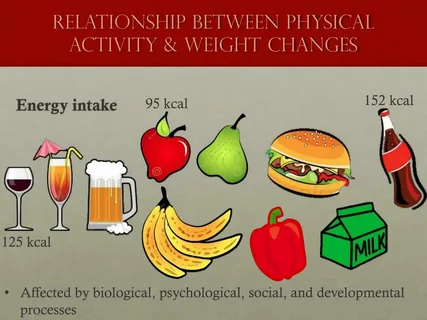
Food and beverages provide energy, while the body uses energy for basic physiological functions, physical activity, digestion, and other processes.
When energy intake regularly exceeds energy expenditure, the body can store some of the excess energy, which may contribute to weight gain over time.
When energy expenditure exceeds energy intake for a prolonged period, body weight may decrease.
However, this relationship is more complex than a simple mathematical equation. Hormones, metabolism, genetics, sleep, medications, appetite, food environment, and other factors can influence both energy intake and energy expenditure.
For this reason, sustainable weight management generally requires more than simply counting calories.
The Role of a Balanced Diet in Healthy Body Weight
A balanced diet can help support healthy body weight by providing essential nutrients without excessive energy intake.
Foods such as vegetables, fruits, whole grains, legumes, and other fibre-rich foods can contribute to fullness while providing important nutrients.
Protein-rich foods can also contribute to satiety and support muscle maintenance.
Healthy dietary fats, including those found in fish, nuts, seeds, avocados, and some plant oils, are important but should be consumed in appropriate quantities because fats contain relatively high amounts of energy.
A balanced diet therefore focuses on food quality as well as quantity.
Importance of Fruits and Vegetables
Fruits and vegetables are important components of a healthy dietary pattern.
They provide vitamins, minerals, fibre, water, and other naturally occurring compounds that contribute to health.
Many fruits and vegetables are relatively low in energy density, meaning they can provide substantial volume and nutrients without contributing excessive amounts of energy.
Including a variety of fruits and vegetables in meals can therefore contribute to overall dietary quality and support healthy eating patterns.
The Role of Protein
Protein plays an important role in maintaining body tissues and muscle mass.
Muscles are metabolically active tissues and are essential for movement, strength, and physical functioning.
Protein can be obtained from foods such as fish, eggs, poultry, meat, beans, lentils, peas, soybeans, nuts, seeds, milk, and yoghurt.
Adequate protein intake, combined with physical activity, particularly resistance exercise, can support muscle maintenance and development.
This is particularly important as people age because maintaining muscle strength can contribute to mobility and independence.
The Role of Physical Activity in Weight Management
Regular physical activity increases energy expenditure and can contribute to maintaining a healthy body weight.
Physical activity also provides benefits that extend beyond body weight. It can improve cardiovascular fitness, strengthen muscles and bones, improve insulin sensitivity, and contribute to mental well-being.
Aerobic activities such as walking, running, cycling, and swimming can improve cardiovascular fitness.
Strength-training activities can help build and maintain muscle strength.
A combination of aerobic activity and muscle-strengthening activities can provide a broad range of health benefits.
Physical Activity and Metabolic Health
Physical activity can influence how the body processes and uses nutrients.
Regular exercise can improve insulin sensitivity, meaning the body’s cells can respond more effectively to insulin. This can support healthy blood glucose regulation.
Physical activity can also contribute to cardiovascular health by improving fitness and supporting healthy blood pressure and blood lipid levels.
These benefits can occur even when there is little or no change in body weight.
Therefore, physical activity should not be viewed solely as a method for losing weight. It is an important component of overall health.
The Importance of Hydration
Water is essential for normal physiological functions and physical performance.
During physical activity, the body loses water through sweat. The amount lost depends on factors such as exercise intensity, duration, temperature, humidity, and individual characteristics.
Maintaining adequate hydration helps support normal body temperature regulation and physical performance.
Water is generally an appropriate choice for routine hydration, although nutritional needs can vary depending on the intensity and duration of exercise.
Nutrition Before and After Physical Activity
Food intake can influence exercise performance and recovery.
Carbohydrates provide an important source of energy for physical activity, particularly during prolonged or high-intensity exercise.
Protein contributes to the repair and maintenance of muscle tissue.
After physical activity, consuming a balanced meal or snack containing appropriate amounts of protein and carbohydrates can support recovery.
The specific nutritional needs of athletes and individuals engaging in intense training may differ from those of people performing ordinary daily physical activity.
The Importance of Sleep
Sleep is another factor that connects nutrition, physical activity, and body weight.
Inadequate sleep can affect appetite, energy levels, mood, and physical activity patterns.
People who do not get sufficient sleep may find it more difficult to maintain healthy eating and exercise habits.
Adequate sleep should therefore be considered part of a comprehensive healthy lifestyle.
Nutrition and Physical Activity in Children and Adolescents
Children and adolescents require adequate nutrition because they are still growing and developing.
Physical activity during childhood supports the development of muscles, bones, coordination, and cardiovascular fitness.
Children should receive nutritious meals that provide sufficient energy and nutrients for growth and activity.
The focus should be on healthy development rather than restrictive dieting or excessive concern about body weight.
Parents, caregivers, schools, and communities can support children by providing nutritious foods and opportunities for safe physical activity.
Nutrition and Physical Activity in Adults
Adults often face challenges such as busy work schedules, sedentary occupations, stress, and limited time for exercise.
These factors can make healthy eating and physical activity difficult.
Planning meals, choosing nutritious foods, walking regularly, taking active breaks during long periods of sitting, and participating in recreational activities can help incorporate healthy habits into daily life.
Even modest increases in physical activity can contribute to overall health.
Nutrition and Physical Activity in Older Adults
Older adults may experience changes in muscle mass, appetite, metabolism, and physical activity.
Maintaining adequate protein intake and participating in appropriate physical activity can help support muscle strength and physical function.
Strength and balance exercises can be particularly valuable for maintaining mobility and independence.
Older adults should also pay attention to adequate hydration and nutrient intake.
Individual health conditions should be considered, and professional guidance may be appropriate when necessary.
Challenges to Maintaining a Healthy Body Weight
Maintaining healthy lifestyle habits can be difficult for many people.
Challenges may include limited access to nutritious foods, food insecurity, long working hours, sedentary occupations, lack of safe spaces for exercise, cultural influences, stress, sleep difficulties, and the widespread availability of highly processed foods.
These challenges demonstrate that healthy body weight is not simply a matter of personal discipline.
Environmental and socioeconomic factors can strongly influence people’s ability to make healthy choices.
Healthy Body Weight and Chronic Disease Prevention
Maintaining a healthy lifestyle can contribute to reducing the risk of several chronic diseases.
Excess body fat, particularly when associated with metabolic abnormalities, is linked with increased risk of conditions such as type 2 diabetes and cardiovascular disease.
Healthy nutrition and regular physical activity can contribute to maintaining healthy blood pressure, blood glucose, cholesterol levels, and physical fitness.
However, chronic diseases have multiple causes, and healthy lifestyle practices cannot eliminate every risk.
Recommendations for Healthy Living
Several practical strategies can help individuals maintain healthy nutrition and physical activity habits.
First, consume a varied diet that includes vegetables, fruits, whole grains, legumes, and appropriate sources of protein and healthy fats.
Second, limit excessive consumption of sugary drinks, highly processed foods, and foods high in sodium or unhealthy fats.
Third, participate in regular physical activity appropriate to age and ability.
Fourth, include muscle-strengthening activities when appropriate.
Fifth, drink adequate water and maintain proper hydration.
Sixth, obtain sufficient sleep and manage stress effectively.
Finally, avoid extreme diets and unrealistic weight-loss goals. Individuals with medical conditions or significant concerns about their weight should seek guidance from qualified healthcare professionals.
Conclusion
Nutrition, physical activity, and healthy body weight are closely interconnected aspects of human health. Nutrition provides the energy and nutrients required for the body to function, while physical activity uses energy and contributes to cardiovascular fitness, muscle strength, bone health, metabolic health, and psychological well-being.
A healthy body weight is influenced by many factors, including diet, physical activity, genetics, sleep, medications, health conditions, environment, and socioeconomic circumstances. Consequently, maintaining healthy body weight should not be viewed as a simple matter of eating less or exercising more.
A balanced diet containing vegetables, fruits, whole grains, legumes, protein-rich foods, healthy fats, and adequate fluids can provide the nutrients required for good health. Regular physical activity can complement healthy eating by supporting fitness, muscle strength, cardiovascular health, and metabolic function.
It is also important to recognize that the benefits of physical activity extend beyond changes in body weight. A person can experience improvements in cardiovascular fitness, strength, metabolic health, and mental well-being even when body weight changes very little.
Healthy habits should therefore be developed as long-term lifestyle practices rather than temporary strategies. Extreme diets, excessive exercise, and unrealistic expectations about body weight are generally not appropriate approaches to sustainable health.
Ultimately, the relationship between nutrition, physical activity, and healthy body weight demonstrates that good health requires a comprehensive approach. Eating nutritious foods, engaging in regular physical activity, drinking adequate water, obtaining sufficient sleep, managing stress, and seeking appropriate healthcare can work together to support a healthier and more active life.